
Prime London: Overpriced or Undervalued?
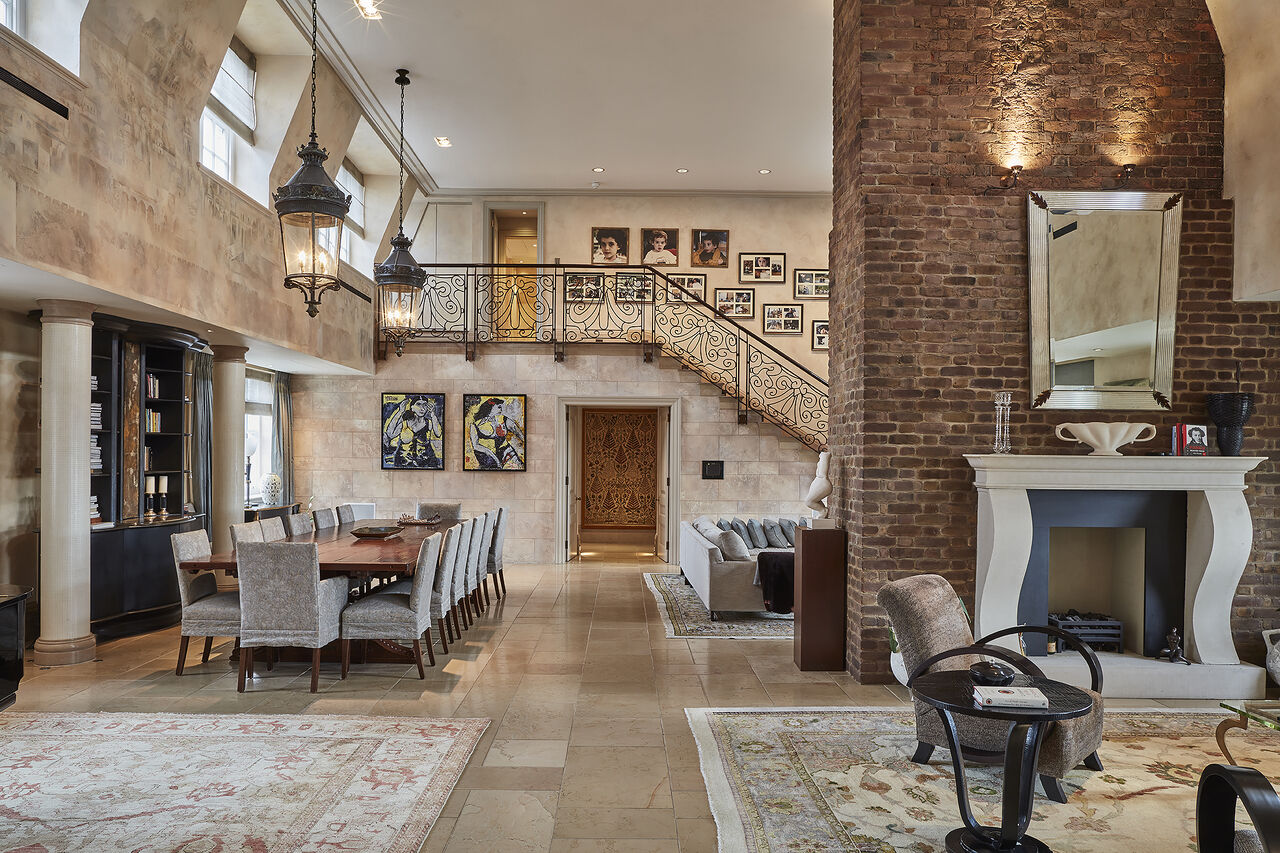
When a £20m property sells for £10m, is that really the market speaking?
Following Sami’s recent post about Prime Central London, we wanted to look at the evidence. Because headline price reductions don’t always tell the whole story.
Take Academy Gardens. Sami first pitched on one apartment there in 2007, when One Hyde Park was still coming out of the ground. The owner wanted £20m. Over time, the property moved on and off the market. At one stage, it was marketed through 15 different agents. Harwood subsequently became involved and, around a year ago, had it under offer at approx. £12.5m.
That transaction didn’t happen because we got gazumped. It has now sold for around £10m.
And it isn’t an isolated example. We currently represent another 4,500+ sq ft prime Kensington apartment, originally brought to market at £22m. Today, it is offered at £15m. A £7m difference.
The apartment hasn’t become £7m worse. Its location and scale haven’t changed. What has changed is the market around it, and the price required to engage serious buyers.
On paper, these look like brutal reflections of prime central London. But are they really? There’s no question the market has changed. The old assumption that you could buy a prime London property, sit on it for 10 years and make money simply doesn’t hold anymore. But there’s another part of this conversation the industry needs to confront:
Overpricing has consequences.
An ambitious asking price might win an instruction. But if the market doesn’t support it, a property sits there. It becomes familiar. The price is reduced. Buyers begin wondering what’s wrong.
Eventually, that achieved price can become evidence against which nearby properties are judged. One poorly handled instruction can affect more than a single seller. And this is where experience comes into play.
Prime central London has always been built on accumulated knowledge: knowing the buildings, previous transactions, the buyers and, perhaps most importantly, when to tell a client something they might not want to hear.
Sami has been involved in 25 transactions at Academy Gardens. That depth of knowledge is hard to replicate.
Property agencies have become better at marketing themselves. Social media has brought more visibility and personalities into the profession. Some of that is healthy. But property isn’t sold on Instagram alone.
Knowing how to photograph a £10m house isn’t the same as knowing how to value it. Generating attention isn’t the same as creating demand. Winning an instruction at the highest suggested price is very different from achieving the best result for the client. So perhaps we should be more careful using individual transactions as evidence that prime central London is collapsing.
Some properties have lost value. Others may have been overpriced, overexposed or poorly advised. Because in a market like this, good advice isn’t about telling a seller the biggest number. It’s about knowing the right one.
Click here to see the original post.